

The Benefits of a Gas Patio Heater
A patio heater is an easy method to enhance the ambience of the space. It is a wonderful addition to bars, restaurants and homes. However, it requires regular maintenance to ensure it functions correctly.
Gas patio heaters are powered by propane tanks that must be replenished when required. They are also less portable than electric models. Natural-gas patio heating systems are connected to the gas line. They don't require refills however they are more expensive to set up.
You can download the application.
The patio heater is a great method to warm outdoor spaces in the cooler months, and it can be used for commercial and residential applications. It is easy-to-assemble and is able to be moved around. It creates a lasting and instant warmth sensation with a powerful flame. This is especially true for newer types that make use of radiant heating instead of direct convection. The burners of these heaters ignite liquefied petroleum gas (LPG), propane or natural gas that then reflect off a reflector made of silver above the device to emit the heat to the surrounding area. These appliances are able to generate between 5 and 12 kW of heat.
In contrast to electric patio heaters that are wired into the wall, and therefore limited to the space they were installed in the first place, a gas heater can be easily moved to different areas of your backyard or deck. The majority of patio heaters come with a separate gas tank that can be taken out and replaced as necessary. Certain models are also fitted with wheels to allow for greater mobility, making them even more convenient to move around.
Another advantage of a gas patio heater is that it can be used all the time even in colder temperatures. This is because the burner in these heaters burns butane or propane, which have a lower boiling point than other fuels. Propane-powered patio heaters continue to function normally until 4 degC, whereas butane will start to struggle with vaporisation at this point.
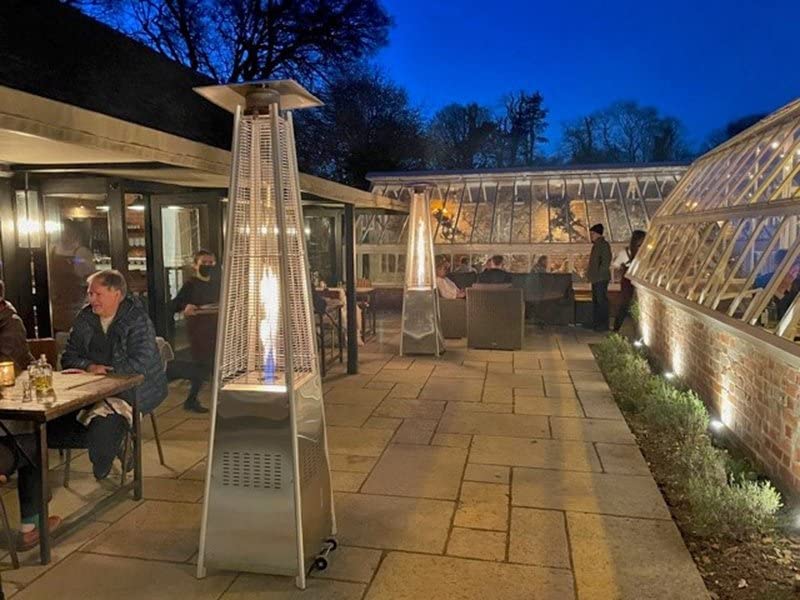
Gas heaters can be more powerful than electric ones. This is due to the fact that it does not rely on convection to warm the surrounding air, but instead utilises an ignition source that heats the metal structure and then radiates heat to the surroundings. This means that it is able to heat the atmosphere faster and more effectively than an electric heater which is unable to transfer this heat to objects within its range.
Easy to assemble
A gas patio heater is an excellent way to enjoy your outdoor space during cooler temperatures. They are affordable to run and generate lots of heat. These heaters can also provide instant heating, which is beneficial when you're hosting an event with a large number of people. Many people make use of these heaters in the outdoor seating area of bars and restaurants. They can be either portable or mounted, depending on your requirements. Some models require an ongoing connection to your natural gas line while others can be hooked up to readily available propane tanks. Some models have the option of a remote that allows you to turn the heat on at any time.
Keep your propane patio heater away from anything that could catch fire. Keep a fire extinguisher close by and remind your children to avoid roughhousing near it. It's also important to look for leaks periodically. patio heater gas can be accomplished by applying a solution of soapy water to the hose connection and tank. If you smell gas or see bubbles, stop your heater immediately.
Propane or natural gas patio heaters can be used for various outdoor areas. However they must be properly ventilated to avoid carbon monoxide poisoning. gas heater for outdoor patio can be employed indoors in enclosed areas like patios and garages but they should not be used outdoors in open spaces, such as basements. Gas heaters should not be used in areas exposed to excessive rain, wind or other debris.
There are many kinds of patio heaters. They include LP gas and electric. Electric heaters don't emit any fumes or carbon monoxide, however, they have a lower maximum heat output than other fuel sources. If you're seeking an alternative that is more efficient you can consider buying an LP-gas patio heater. These models use a continuous flame and generate more heat than electric heaters.
Certain LP-gas patio heaters come with an automatic shutoff valve that can prevent the flow of water when the flame goes out. Others have an ignition mechanism that is manual that lets you light them with an extended match or lighter. The best option for your space will depend on your budget and preferences.
Safer
Patio heaters are becoming increasingly popular among homeowners of cottages and homes who wish to extend their outdoor living space into the winter. However, there are many safety concerns that need to be taken into account when using these heaters. Propane patio heaters should never be used indoors and should be kept at least two metres away from anything that is flammable. To minimize the chance of them tipping over, they should be placed on a flat surface.
When shopping for a patio heater that uses propane, ensure it's equipped with a flame sensor. These devices detect flames and cut off the flow of propane if not found. This stops fire hazards and carbon monoxide poisoning from happening. Make sure your propane patio heater is CSA-rated, and properly maintained before using.
Liquid propane, butane and natural gas are also fuel sources that can be used to make patio heaters. Liquid propane can be ignited with sparks and is more volatile than Butane. It is also less toxic than other gases and has lower boiling points which makes it safe for outdoor use. It is important to be aware that propane liquid must be stored and transported in a ventilated area.
It is essential to regularly check for leaks in propane patio heaters. Before each use, ensure that the connections and valves are shut. Hoses and valves can be cleaned with soapy water. This will eliminate any deposits or bubbles. A gas or hose that leaks valve can cause a dangerous situation. Keep a fire extinguisher in close proximity to your propane heater, and keep an eye out for any indications of smoke.
It is also important to follow the manufacturer's instructions when putting up your patio heater. Natural gas and propane patio heaters should be used only outdoors and should be positioned in open areas with adequate ventilation. They should never be used in partially enclosed areas because they release deadly levels of carbon monoxide. It's also recommended to install carbon monoxide detectors near outdoor heaters.
Ideal for all-year-round use
Gas patio heaters will heat up any outdoor space instantly and for a long period of time whether you're hosting guests or just enjoying your time. They come in different sizes and styles to suit any design scheme. They can also serve as a focal point adding visual interest to your patio or garden. The flames of the gas patio heater can provide a feeling of ambiance to an evening.
Gas, electric and infrared patio heaters are available. Each has its own pros and cons dependent on the size of the area to be heated and other factors. It is important to know the differences between these different types to help you pick the one that best suits your needs.
Patio heaters can be fueled by propane, butane or natural gas. Propane gas is the most popular choice due to its superior performance and burns cleanly. However, it's important to note that it doesn't perform as well in colder temperatures. Butane is another good alternative, but it doesn't offer the same level of effectiveness as propane.
Patio heaters are available at a wide range of prices, based on their style and model as well as their installation costs. Installing ceiling-mounted and wall-mounted natural gas patio heaters can be more costly than installing portable freestanding models. These models require a long-term gas connection to your home, which is installed by professionals.
Patio heaters typically consume between 20,000 and 40,000 BTUs per hour generate heat. This amount can vary considerably, depending on the size of the heater and its efficiency, as well as the weather conditions. The amount of fuel used can be affected by the wind conditions and the location of the heater. To reduce the amount of fuel used, consider a model with adjustable settings.
In the end, it's essential to keep a fire extinguisher nearby when using a patio heater. This will help prevent any emergencies or accidents. There are also fire extinguishers specifically designed for gas or wood patio heaters.